Dependable Auto Repair Services to Keep You on the Road
Trustworthy auto repair services are crucial in vehicle maintenance and safety. Reliable garages focus on transparency, ensuring customers understand pricing and services. Skilled technicians with valid certifications add to the assurance of quality repairs. However, not all repair shops copyright these criteria. Understanding what to look for can make a significant difference in both vehicle performance and driver confidence. The next steps involve evaluating these vital qualities to find the right service for your needs.
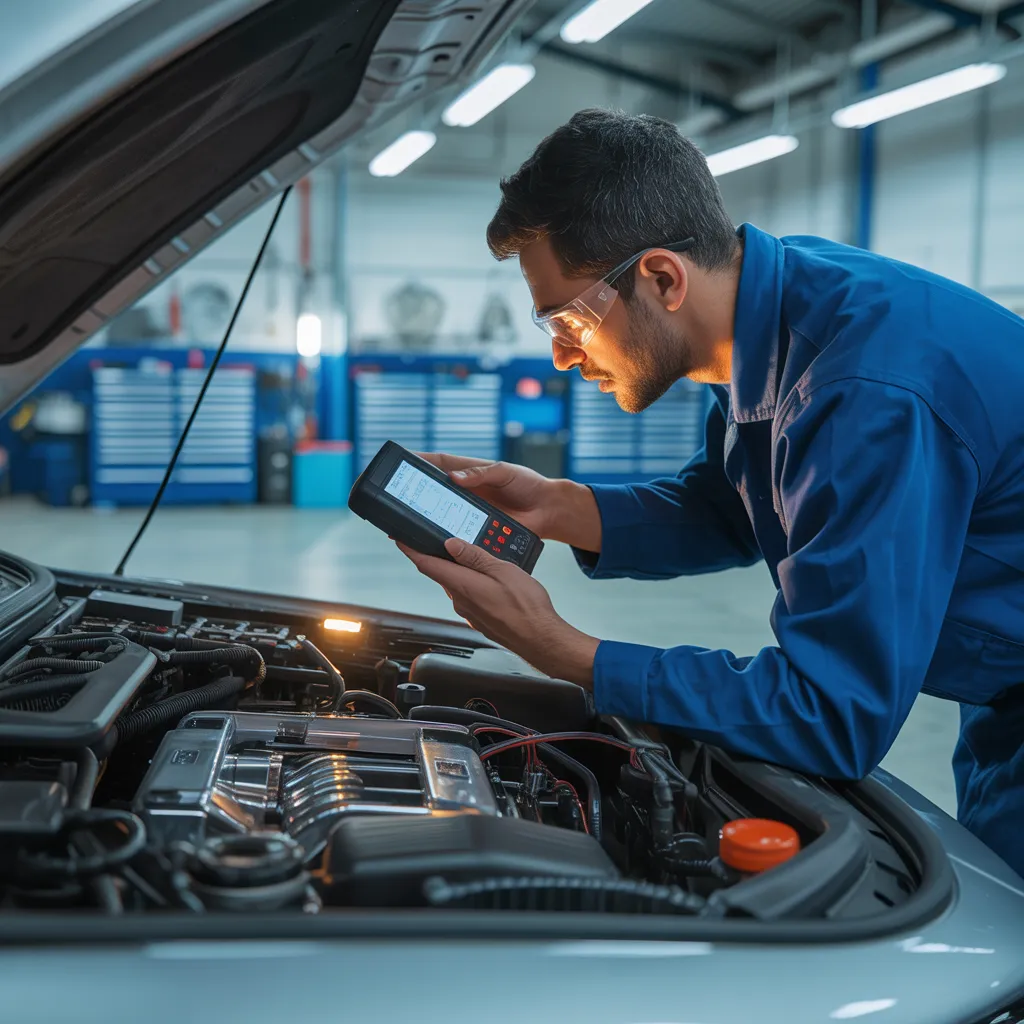
Important Traits of a Credible Auto Service Shop
When searching for a dependable auto repair shop, customers often look for specific characteristics that indicate trustworthiness. Above all, honest pricing and service clarity is essential; customers require precise cost breakdowns and direct information about needed fixes. Furthermore, good feedback and endorsements from previous clients act as indicators of a shop’s reliability and customer service. A neat and tidy workshop also reflects professionalism and care in managing vehicles.
Furthermore, skilled technicians who display expertise in multiple automotive issues are critical. Customers favor shops that provide warranties on their work, giving assurance that repairs are completed correctly. Finally, a strong dedication to customer service, including helpful staff who are prepared to answer questions, improves the overall experience. By prioritizing these essential attributes, customers can find an auto repair shop that fulfills their needs while ensuring their vehicles receive reliable care.
Reviewing Mechanic Certifications
When assessing auto repair services, gauging mechanic certifications is crucial for guaranteeing quality work. Certifications reveal a mechanic's level of expertise and commitment to the profession. Common certifications, such as ASE and manufacturer-specific credentials, serve as benchmarks for measuring a mechanic's qualifications.
Advantages Of Professional Credentials
Certifications serve as a vital standard in assessing the expertise and understanding of auto mechanics. They signify that a mechanic has completed thorough training and has fulfilled particular industry standards. This documented validation comforts consumers about the mechanic's proficiency and devotion to quality service. Certifications also indicate that the mechanic remains current with evolving automotive technologies and practices, which is crucial in an industry marked by rapid advancements. Additionally, mechanics with certifications often follow moral guidelines and industry practices, fostering trust between them and their clients. Ultimately, certifications offer consumers with a dependable way to differentiate qualified professionals from those missing formal recognition, guaranteeing better service and vehicle maintenance.
Common Mechanic Qualifications
Mechanic certifications vary widely, providing a framework for evaluating the skill and credentials of automotive professionals. Popular certifications include the National Institute for Automotive Service Excellence (ASE), which is well-respected in the industry. ASE credential demands completing demanding exams and showcasing practical experience. Producers like Ford, Honda, and Toyota also provide focused certifications, emphasizing brand-specific expertise and abilities. Furthermore, the Automotive Service Association (ASA) promotes quality standards among its participants, guaranteeing professionalism in repair work. Certifications not only improve a mechanic's credibility but also assure customers of their mechanical expertise. When selecting an vehicle repair shop, confirming these certifications can result in superior work and increased confidence in the work performed.
Why Transparent Costs Is Essential for Auto Repair Customers
Straightforward fees in auto work produces trust between customers and shops, building a more solid relationship. When repair shops outline clear and upfront assessments, customers can make knowledgeable decisions without the fear of hidden expenses or unanticipated charges. This directness not only enhances customer pleasure but also builds loyalty, as clients feel more at ease in their choices.
Moreover, clear pricing structures help set a norm of accountability within the auto repair industry. Customers are more likely to return to a shop that communicates costs openly and describes services, creating a positive feedback loop. Additionally, transparency can lessen disputes over billing, as clients have a clear understanding of what they are paying for.
In a tough industry, auto facilities that prioritize straightforward cost structures can stand out and attract more business. Ultimately, this strategy promotes a stronger, more trustworthy auto repair environment for those included.
How to Build a Solid Connection With Your Mechanic
Building a strong relationship with a mechanic can enhance the overall experience of auto upkeep. Open dialogue of requirements, fostering confidence over time, and comprehending service recommendations are vital elements in this process. By concentrating on these areas, vehicle owners can see information on this ensure more efficient and dependable service.
Share Your Needs Clearly
In what ways can effective communication reshape the relationship between a car owner and their mechanic? Clear dialogue cultivates reciprocal comprehension and guarantees that both parties are aligned on expectations. Car owners should communicate specific concerns, outline symptoms, and share any previous repair history. This transparency allows mechanics to pinpoint issues accurately and propose appropriate solutions. Furthermore, asking questions about the repair process or parts used can deliver important understanding, empowering car owners to make informed decisions. Building a bidirectional communication system motivates mechanics to explain technical details in layman's terms, enhancing trust and satisfaction. Ultimately, effective communication not only streamlines the repair process but also cultivates a lasting partnership, where both the car owner and mechanic feel respected and valued.
Develop Trust Over Time
Trust is the cornerstone of any successful relationship, and the dynamic between a car owner and their mechanic is no exception. To establish this trust over time, car owners should start by visiting the same mechanic consistently. This familiarity allows the mechanic to understand the vehicle’s history and the owner's preferences. Open, honest communication about concerns and experiences fosters mutual respect. Additionally, car owners should pay attention to the mechanic’s recommendations and expertise, acknowledging their professional insights. Engaging in regular check-ins about the vehicle’s performance can further solidify this bond. Finally, a willingness to ask questions and seek clarification demonstrates commitment, allowing both parties to collaborate effectively. Building this relationship in the end leads to reliable service and peace of mind on the road.
Comprehend Maintenance Guidelines
Comprehending maintenance recommendations is vital to nurturing a firm relationship between car owners and their mechanics. By actively engaging with these suggestions, car owners prove their commitment to vehicle upkeep, which mechanics acknowledge. Getting familiar with manufacturer guidelines and service intervals enables owners to make informed decisions about their vehicle's care. This knowledge supports more meaningful discussions during visits, turning the mechanic from a mere service provider into a trusted advisor. Additionally, being proactive about maintenance can help uncover potential issues early, saving time and money in the long haul. Establishing this dialogue not only heightens trust but also leads to better service outcomes, ensuring that the vehicle remains reliable and safe on the road.
Top Auto Repair Scams to Steer Clear Of
What are the most frequent auto repair deceptions that unsuspecting vehicle owners should be careful of? One prevalent scam includes unnecessary repairs, where mechanics overstate the list of needed services to increase profit. For example, they may suggest replacing parts that are still working. Another tactic is the “bait and switch,” where a low initial estimate is given, but additional costs arise once the vehicle is in the shop. Also, some shops may bill for services never performed, taking advantage of the lack of oversight. Misdiagnosing problems is also frequent; mechanics may state a more expensive issue exists instead of fixing a simpler one. Lastly, copyright or substandard parts can be used, compromising vehicle safety and performance. Vehicle owners should stay alert and obtain multiple estimates to avoid falling prey to these deceptive tactics.
Essential Suggestions for Preserving Your Car
By navigating through the pitfalls of typical auto fraudulent schemes, vehicle owners can implement preventative measures to guarantee their cars remain in peak condition. Regular maintenance is crucial; arranging oil changes every 3,000 to 5,000 miles helps maintain engine longevity. Tire care is equally important; monitoring tire pressure monthly and turning tires every 6,000 to 8,000 miles can improve performance and safety.
Furthermore, automobile owners must monitor fluid levels, such as coolant, braking fluid, and transmission fluid, to prevent potential issues. Keeping up with the manufacturer’s recommended service intervals is essential for warranty coverage and the general condition of the vehicle.
Cleaning the outside and interior not only preserves appearance but also prevents rust and wear. Finally, paying attention to unusual sounds or warning lights can provide early warnings of problems. By adopting these practices, owners can greatly extend their vehicle's lifespan and reliability.
When would you want to use professional repairs as opposed to DIY?
When is it sensible for car owners to seek professional repairs instead of tackling problems themselves? Expert repairs are advisable when the problem concerns intricate mechanisms, such as the engine, transmission, or electrical components. These areas often demand expert expertise and tools that the average DIY enthusiast may lack. Additionally, if the vehicle displays warning lights or unusual noises, it may suggest hidden problems that necessitate expert diagnosis.
Safety serves as a key consideration. For repairs involving brakes, steering, or suspension, trained expertise is critical to guarantee the vehicle operates safely. Moreover, if the owner lacks confidence in their know-how or the appropriate tools to perform the repair, hiring professionals can avert further damage and supplementary costs. Ultimately, when in doubt, professional guidance is a wise choice to ensure the vehicle's dependability and longevity
Commonly Asked Questions
How Do I Locate a Dependable Auto Repair Shop in My Vicinity?
To locate a trustworthy auto repair shop locally, one can request recommendations from acquaintances, examine online reviews, check local listings, and tour prospective shops to evaluate quality of service and professionalism before choosing.
What Are Everyday Warnings My Car Must Get Immediate Repair?
Signs that a vehicle requires immediate repair commonly include unusual noises, warning lights on the dashboard, fluid leaks, difficulty starting, and changes in handling or braking. Disregarding these signs may lead to more serious issues.
How periodically Should I book service for My vehicle?
Professionals advise scheduling vehicle maintenance every 5,000 to 7,500 miles or every six months, whichever comes first. Regular checks ensure peak performance and can avoid significant issues, prolonging the vehicle's lifespan and enhancing safety.
What Warranties Will I Expect on Automobile Repair Services?
Typically, auto repair services offer warranties spanning 90 days to two years, depending on the service performed. Components may have separate warranties, protecting parts and labor, ensuring customer satisfaction and protection against defects.
May I Obtain a Second Opinion on My Repair Assessments?
Yes, getting a second opinion on service quotes is recommended. It enables comparison of diagnoses and costs, ensuring informed decisions. Many shops welcome questions, promoting openness and trust in the recommended services.